Hey there! I’m a supplier of simulator materials, and I know how crucial it is to keep these materials in top – notch condition. In this blog, I’m gonna share some tips on how to prevent damage to simulator materials. Simulator Materials

Understanding the Materials
First off, it’s super important to know what kind of simulator materials you’re dealing with. We’ve got all sorts of stuff like plastics, metals, fabrics, and electronic components. Each of these materials has its own unique properties and requirements.
Plastic parts are common in simulators. They’re lightweight and can be molded into all kinds of shapes. But plastics can be brittle, especially in cold temperatures. So, if you’re storing or using the simulator in a cold environment, you gotta be extra careful. You don’t want those plastic parts to crack or break.
Metals, on the other hand, are strong and durable. But they’re prone to rust and corrosion, especially if they’re exposed to moisture. So, keeping them dry is key. You might also want to consider using a protective coating on metal parts to prevent rust.
Fabric materials are often used for seats and covers in simulators. They can get dirty easily, and stains can be a real pain to remove. Plus, over time, the fabric can wear out. So, regular cleaning and proper handling are necessary to keep them looking and feeling good.
Electronic components are the heart of many simulators. They’re sensitive to static electricity, heat, and moisture. A single static discharge can fry a circuit board, and overheating can cause components to fail. So, you need to take special precautions when dealing with these parts.
Storage
Proper storage is one of the most important things you can do to prevent damage to simulator materials. When you’re not using the simulator, make sure it’s stored in a clean, dry, and temperature – controlled environment.
For plastic parts, storing them in a cool place can help prevent them from becoming brittle. You can use storage containers to protect them from dust and physical damage. Just make sure the containers are made of a material that won’t react with the plastic.
Metal parts should be stored in a dry area. You can use a dehumidifier to keep the humidity levels down. If possible, wrap the metal parts in a protective material like plastic wrap or a rust – preventive paper. This will help keep moisture away and prevent rust.
Fabric materials should be stored in a clean, dust – free environment. You can fold them neatly and store them in a closet or a storage bin. Avoid storing them in direct sunlight, as this can cause the fabric to fade.
Electronic components should be stored in an anti – static environment. You can use anti – static bags to store them. These bags help prevent static electricity from building up and damaging the components. Also, make sure the storage area is well – ventilated to prevent overheating.
Handling
How you handle simulator materials can also have a big impact on their lifespan. When you’re moving or installing the simulator, be gentle. Don’t drop or bang the parts around.
When handling plastic parts, use your hands carefully. Avoid applying too much pressure, as this can cause the plastic to crack. If you need to use tools, make sure they’re the right size and type for the job.
For metal parts, wear gloves to prevent your hands from leaving fingerprints, which can lead to corrosion. When moving metal parts, use proper lifting techniques to avoid straining your back and to prevent the parts from getting damaged.
When dealing with fabric materials, be careful not to snag or tear them. If you need to clean the fabric, use a mild detergent and follow the manufacturer’s instructions.
When handling electronic components, always ground yourself first. This will prevent static electricity from building up on your body and damaging the components. Use anti – static tools and work on an anti – static mat.
Cleaning
Regular cleaning is essential for preventing damage to simulator materials. But you need to use the right cleaning methods and products for each type of material.
For plastic parts, you can use a mild soap and water solution. Avoid using harsh chemicals, as they can damage the plastic. Just gently wipe the parts with a soft cloth.
Metal parts can be cleaned with a mild metal cleaner. Make sure to dry them thoroughly after cleaning to prevent rust. You can also use a metal polish to keep them looking shiny.
Fabric materials can be vacuumed to remove dust and debris. For stains, you can use a fabric cleaner. But always test the cleaner on a small, inconspicuous area first to make sure it doesn’t damage the fabric.
Electronic components should be cleaned with compressed air to remove dust. Avoid using liquids on electronic components, as this can cause short circuits.
Maintenance
In addition to storage, handling, and cleaning, regular maintenance is also important. You should inspect the simulator materials regularly for signs of damage.
Check plastic parts for cracks or signs of wear. If you find any damage, you might need to replace the part.
For metal parts, look for signs of rust or corrosion. If you notice any rust, you can use a rust remover to clean it off.
Inspect fabric materials for tears or stains. If the fabric is severely damaged, you might need to replace it.
For electronic components, check for loose connections or signs of overheating. If you notice any problems, it’s best to have a professional take a look.
Training and Education
Another important aspect is training and education. If you’re using the simulator in a commercial setting, make sure your staff is properly trained on how to handle and maintain the materials.
Provide them with clear instructions on storage, handling, cleaning, and maintenance. You can also organize training sessions to teach them about the different types of materials and how to prevent damage.
Conclusion
Preventing damage to simulator materials is all about understanding the materials, proper storage, careful handling, regular cleaning, and maintenance. By following these tips, you can extend the lifespan of your simulator materials and save money in the long run.
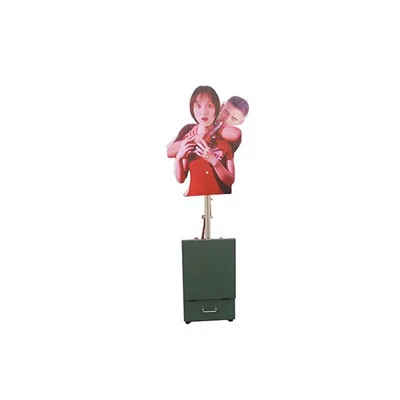
Military and Police Shooting Smart Range If you’re in the market for high – quality simulator materials, I’d love to have a chat with you. Whether you’re a small business or a large corporation, I can provide you with the best materials at competitive prices. Just reach out, and we can start a conversation about your needs.
References
- General knowledge about materials science and engineering
- Industry best practices for simulator maintenance and care
Huawei Special Equipment Co., Ltd.
We’re professional simulator materials manufacturers in China, specialized in producing high quality military and police training equipment. If you’re going to buy customized simulator materials at competitive price, welcome to get quotation from our company.
Address: No. 6, Chuanglian Street, South Second Ring Road, West District, Baoding Economic Development Zone, Lianchi District, Baoding City
E-mail: 1820296661@qq.com
WebSite: https://www.fr-ty.com/
