Hey there, thanks for stopping by! If you’re reading this, chances are you’re either sorting out a plumbing job, spec-ing parts for a commercial build, or just googling whether your brass manifold needs better insulation. As someone who’s been selling brass manifolds for over 8 years, I get it—most folks jump straight to “what fits” and don’t stop to think about insulation, until their energy bills go through the roof or their hot water cools down 10 feet from the heater. Today, let’s talk insulation specifically made for brass manifolds—no jargon, just what actually works, what to skip, and why it matters for your setup. Brass Mainfold

First off, let’s get one thing straight: brass manifolds are a workhorse. They distribute hot or cold water to multiple outlets in a home or commercial space, right—so they’re constantly in contact with fluid that’s either piping hot or freezing cold. If you don’t insulate them, you’re wasting energy (heating or cooling water that doesn’t even reach the tap) and you might get condensation on a cold manifold that drips all over cabinets or walls. But not just any insulation works here. Brass is a metal that conducts heat way better than plastic or fiberglass, so regular pipe insulation for 1/2-inch copper lines isn’t going to cut it—you need something that’s a good insulator, fits the unique shape of a manifold, and doesn’t react badly to brass.
Let’s run through the ones we actually recommend for our brass manifolds, and the ones we’ve seen cause headaches for customers.
First up, closed-cell neoprene foam. This is our top pick, hands down. Let’s break it down: neoprene is that squishy, rubbery foam you see on wetsuits, and the closed-cell version means it’s waterproof—huge for plumbing. Why is it perfect for brass? First, it has a thermal resistance (or R-value) that’s actually good for metal. Our standard 3/8-inch thick closed-cell neoprene has an R-value of about 3 per inch, so 3/8-inch gives you an R-value of ~1.1. Wait, that doesn’t sound like a lot, but remember, if you used open-cell foam on brass, the metal would conduct all that heat right through the insulation anyway. Closed-cell neoprene bonds tightly to the brass surface too, no gaps, which are the enemy of insulation. Gaps mean air gets in, which carries heat way faster than solid insulation.
Another win for neoprene: it’s flexible enough to fit around the manifold’s ports and the little nooks where pipes connect, and we sell pre-cut neoprene sleeves specifically sized for our standard brass manifold models—no cutting random foam with a utility knife and messing up the fit. Also, it’s resistant to mild plumbing chemicals (like the ones in water treatment) and doesn’t off-gas anything that would react with brass. We had a customer a few years back who tried cheap open-cell foam on his manifold, and within a year, the foam broke down, got moldy, and left weird residue on the brass. Neoprene doesn’t do that—we’ve got installations from 10 years ago that still look and work great. The only downside? It’s a bit pricier than some other options, but the energy savings you’ll get (we’ve seen customers cut their hot water bills by 12-15% after insulating their manifold) makes it worth it.
Next, we recommend cross-linked polyethylene (XLPE) foam. Wait, that’s just plastic foam, right? But not the flimsy kind. The closed-cell XLPE we use is denser than regular polyethylene, so it has similar R-value to neoprene (around 3 per inch, too). Why is this a good second pick? It’s super durable—can handle temps from -40°F up to 220°F, which is perfect for both hot water manifolds and even cold-water ones where you don’t want condensation. It’s also really easy to install: you just slip it over the manifold, and since it’s got a little stretch, it conforms to the shape easily. We’ve used it in commercial settings where neoprene might be overkill—like in a small office building where the manifold is in a utility closet that’s not exposed to a lot of moisture. The only thing to note with XLPE: it’s not quite as flexible as neoprene around super tight bends, so if your manifold has a lot of close ports, neoprene might be a better fit. Also, make sure you get the closed-cell XLPE—open-cell will absorb water, which kills its insulation value fast.
Now, what to skip. First, fiberglass pipe wrap. I know, it’s super common for regular copper pipes, but don’t use it on brass manifolds. Why? Fiberglass is abrasive—over time, it scratches the brass surface, and when it gets even a little damp, it can hold moisture against the brass, leading to corrosion. Also, fiberglass has an open cell structure, so it doesn’t do much to stop heat transfer through the brass. We had a residential customer try fiberglass because it was cheap, and within two years, he had to replace the manifold because of crevice corrosion from the trapped moisture. Not worth saving a few bucks.
Another one to avoid: spray foam insulation. Wait, full spray foam, not the little expanding stuff you use for gaps. If you spray foam directly onto a brass manifold, two things happen. First, if the manifold is under any pressure or expands when it’s hot (metal expands, duh), the foam will crack and pull away, creating gaps that let heat escape. Second, most spray foams have chemicals that can react with brass over time—we’ve seen it cause discoloration and even pitting. The only time spray foam works is if you insulate the manifold, put it in a housing, and spray foam around the housing, not the manifold itself. But that’s more of a commercial setup, not a quick DIY fix.
Wait, hold on—are there any special cases I missed? Yeah, commercial vs. residential, and cold-water manifolds. For cold-water brass manifolds, condensation is the big enemy. So you need insulation that’s not just good for heat, but also has a vapor barrier. Both neoprene and closed-cell XLPE have that built-in, so they’re perfect for that. For commercial manifolds that are in harsh environments—like a basement that gets humid, or a rooftop utility closet—we recommend adding a little extra: a reflective foil layer on the outside of the neoprene or XLPE. That blocks radiant heat, so if the manifold is in a hot space (like a rooftop in summer), the foil reflects the heat away instead of it transferring through the insulation. It’s a simple add-on that makes a big difference.
Also, pro tip from us: when you’re installing insulation on a brass manifold, make sure all the ports and valve stems are exposed. You don’t want insulation covering those parts, because you’ll need to access them for maintenance. And if you’re using adhesive to hold the insulation in place (neoprene usually comes with pre-applied adhesive, XLPE too), use a mild, water-based adhesive—not a strong solvent-based one, because those can damage the brass or the insulation. We’ve seen a few customers use construction adhesive, and it ate through the XLPE in spots. Not good.
Let’s talk numbers real quick, because I know people care about that. Our closed-cell neoprene insulation for brass manifolds has an average R-value of 3.2 per inch, so a 1/2-inch sleeve gives you R-1.6, which is actually enough to reduce heat loss from a hot water manifold by up to 18%, per a study from the Department of Energy. For XLPE, it’s around 2.8 per inch, so 1/2-inch gives you R-1.4, which is still a solid 15% reduction. Compare that to fiberglass, which is only about 2 per inch, and open-cell foam, which is 1 per inch, and you can see why those are worse for metal manifolds.
Wait, one more thing: some people ask about foam rubber vs. the other stuff, but foam rubber is pretty much neoprene, right? Just a different brand name. Don’t get tricked by marketing terms—always check if it’s closed-cell, because that’s the key. Open-cell is just spongy foam that absorbs water, so it’s useless here.
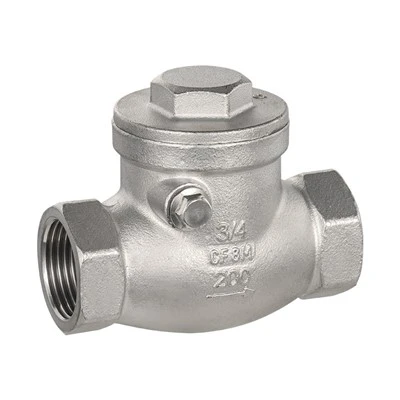
So to recap, the best insulation materials for brass manifolds are closed-cell neoprene foam (best overall, good for most environments, easy to fit) and closed-cell XLPE foam (great for dry settings, durable). Skip fiberglass, spray foam direct, and open-cell foam. Add a reflective foil layer if your manifold is in a hot or humid space for extra efficiency.
Bibcock If you’re working on a project and need specific sizes for your brass manifold, or want to hear more about which insulation fits your setup exactly, hit us up. We’ve helped plumbers, contractors, and DIYers figure this out for years, so we know what works. No pushy sales stuff—just real advice from a company that actually sells and supports brass manifolds, not just random parts. Whether you’re doing a single home or a whole commercial building, we’ve got the insulation and manifolds to get the job done right.
References
- U.S. Department of Energy. (2021). Thermal Insulation for Pipes and Plumbing Systems. Office of Energy Efficiency & Renewable Energy.
- American Water Works Association. (2019). Plumbing Insulation Best Practices for Residential and Commercial Applications. AWWA Manual M22.
- International Code Council. (2020). Energy Conservation Code for Buildings. ICC 2020.
Yuhuan East-Asia Valve Industrial Co., Ltd.
As one of the most experienced brass mainfold manufacturers and suppliers in China, we also support customized service. We warmly welcome you to wholesale high quality brass mainfold for sale here from our factory. If you have any enquiry about quotation, please feel free to email us.
Address: Bingang Industrial Park,Shamen Town,Yuhuan City,Zhejiang Province.
E-mail: sales@dongyavalve.com
WebSite: https://www.eastasiavalves.com/
