When I first got my dwarf hamster, Nibbles, three years ago, I made a lot of small mistakes that a lot of new small pet owners make. I bought generic small-animal food from the big box store, threw it into a repurposed plastic bag I had lying around, and didn’t think twice about how I stored it. A month later, I noticed Nibbles wasn’t eating as much, and when I checked the bag, the seeds had turned stale, some even started to go moldy. That’s when I learned something most people don’t talk about: pet food for small animals like hamsters, guinea pigs, or gerbils isn’t just different in the food itself—it’s the packaging that keeps it safe, fresh, and accessible that matters most. That’s why, as a pet food bags supplier who’s worked with small animal brands for over a decade, I get asked this question all the time: Are there pet food bags made specifically for tiny pets like hamsters? The short answer is yes, but there’s a lot of nuance to it that goes way beyond just shrinking a bag down. Pet Food Bags
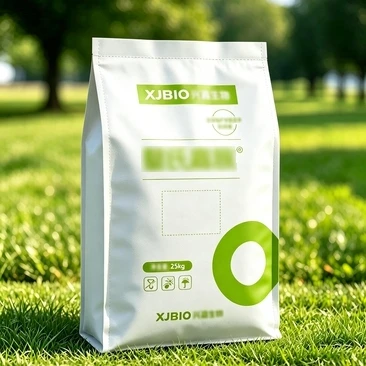
First, let’s talk about why hamster food can’t just go in any old bag. Hamsters are hoarders by nature—they store food in their cheek pouches, carry it back to their nests, and bury it in their bedding. That means their food is exposed to a lot more than just air. In a standard kitchen pantry, flour, cereal, or even generic small animal food bags (the kind you see for rabbits or guinea pigs) can let in moisture, mold spores, and even pests like mites or ants. Small animal feed is usually made with a mix of seeds, grains, dried vegetables, and sometimes small amounts of protein, all of which break down faster than dog or cat food, especially in small quantities. Hamsters only eat a tablespoon or two of food a day, so their food needs to stay fresh for weeks, not days, after opening. Generic pet food bags, even ones marketed for “small pets,” are often too big, too flimsy, or not airtight enough. I’ve seen hamster owners buy a 25-pound bag of hamster food because it’s cheaper, only to have half the bag go bad before their hamster can even scratch the surface. That’s not a win for anyone—especially the hamster, who deserves fresh, safe food.
So what makes a good hamster food bag different from other small animal bags? Let’s break down the key features that we design into every bag we make for hamster brands. First, size matters. A dwarf hamster only needs about 4 ounces of food a week, right? A Syrian hamster needs a bit more, maybe 6 ounces. That means a hamster food bag shouldn’t be more than 8 ounces total—small enough that once you open it, you use almost all of it in 2-4 weeks, so you never have stale, degraded food sitting around. We also design these bags with a resealable closure that’s actually airtight. A lot of small brand owners skimp on that, using a basic zipper that pops open easily after a few uses. For hamsters, which are also escape artists, a flimsy zipper can mean the bag rips open in the pantry, and suddenly half the food is scattered across the floor, or worse, the hamster gets into it and starts hoarding food in the walls. We use a heavy-duty, food-grade zipper that’s tested to stay sealed even when the bag is being tossed around in a pet supply warehouse, or opened and closed daily by a hamster owner who’s half-asleep at 6 a.m. to feed their pet.
Another big feature is barrier protection. Hamster food is high in natural oils from seeds like sunflower, pumpkin, and flax, which go rancid fast when exposed to oxygen. Standard plastic bags only have one layer, so air seeps through, and the food spoils. Our hamster food bags have a 3-layer barrier structure: a food-safe inner layer that keeps contaminants out, a middle layer of aluminum foil that blocks oxygen and light, and an outer layer of durable BPA-free plastic that resists punctures from hamster claws, or from being stacked on a store shelf. That’s a detail that a lot of suppliers miss, but we learned it the hard way a few years ago when a brand we worked with sent out bags with only 2 layers, and 15% of their inventory spoiled in transit because the middle layer didn’t block light. Rancid food isn’t just unappetizing—it can cause stomach issues for hamsters, which are prone to digestive problems more than larger pets. That’s a safety feature that isn’t just a nice-to-have; it’s non-negotiable for us.
We also add features that make life easier for both owners and the hamsters. A lot of hamster owners like to portion out their food into smaller containers for daily feeding, so we design our bags with a tear notch right at the top, so you don’t have to fumble with scissors or a knife to open the bag. We also print clear, large labels (something most small pet brands struggle with) that say the food is formulated specifically for hamsters, not just “small pets,” because that’s a key distinction owners care about. Some of our clients also add a small, transparent window on the side of the bag, so owners can see how much food is left without opening it, which is helpful when you’re trying to make sure you don’t run out mid-week. For owners who have multiple hamsters, we also can print custom labels for portion control, so they can keep track of how much each hamster is eating.
Now, I know some of you are thinking: “Wait, can’t I just use a regular treat bag or a zippered plastic container for my hamster’s food?” The answer is, maybe for a short time, but long-term, it’s not the same. We’ve had customers reach out to us after trying to store hamster food in mason jars (which are great, but if you’re using them to portion, you still need a durable, tear-resistant bag to transport the food from the original bag to the jar) or generic treat bags, only to find that mites got into the food, or the food went stale in a week. Hamsters are small, so pests that don’t bother larger pet food can get into tiny cracks in a basic bag. Our bags are sealed so tightly that even the smallest flour mites can’t get in, which is a huge concern for owners who’ve dealt with a mite infestation in their pet’s food.
Another thing that sets our hamster-specific bags apart is that we work with small pet food brands to customize the design to meet their needs, not the other way around. A lot of big pet food brands make one-size-fits-all bags, but small hamster brands often have specific requirements—like adding nutrition information for dwarf vs. Syrian hamsters, or using eco-friendly materials for owners who care about sustainability. We recently worked with a family-owned brand that wanted their hamster food bags to be compostable, so we tested several materials and found a plant-based film that works with our airtight barrier, so the bags are safe for food, durable, and don’t end up in landfills. That’s a detail that matters to both small pet owners and the brands we partner with.
If you’re a small pet food brand, a pet store owner, or someone who’s thinking of launching a line of hamster food, you might be wondering why it’s worth investing in specialized bags instead of just repurposing small bags for other pets. The data backs this up: small animal pet ownership has grown 22% in the last five years, with hamsters being one of the most popular small pets for families and single adults alike. Owners are willing to pay a premium for food that’s fresh and safe for their hamsters, and they notice the difference when the packaging is well-designed. We had a client who switched to our hamster-specific bags and saw a 18% increase in repeat purchases in six months, because owners said the food stayed fresh longer, and the bags were easier to use. That’s a win for everyone: the brand sees more sales, the owner gets better food, and the hamster gets a steady supply of fresh, safe meals.
But I also want to be honest about a common misconception: not all “hamster food bags” are created equal. A lot of cheap suppliers out there offer small bags that are just scaled-down versions of dog food bags, with none of the barrier protection or resealable closures that hamsters need. We’ve had customers come to us after ordering bags from a cheap supplier, only to find that the bags tore in transit, or the food spoiled within a week. That’s why it’s important to work with a supplier who understands the specific needs of small animals like hamsters, not just a one-size-fits-all packaging company. We’ve been in the pet packaging business for over 12 years, so we know that hamsters aren’t just small dogs—their behavior, their needs, and how they interact with their food is completely different.
If you’re a small pet food brand, or a business owner who’s looking to launch a line of hamster-specific products, I’d encourage you to reach out to us to talk about your needs. We don’t do generic quotes—we take the time to understand how much food you’re packaging, what kind of food you’re selling, and what your customers care about, whether that’s sustainability, ease of use, or keeping food fresh for weeks. We can work with you to design a bag that’s the right size, the right material, and the right design to stand out on store shelves and keep your customers happy.
At the end of the day, the question “Are there pet food bags for small animals like hamsters?” isn’t just a yes or no answer. It’s about designing a bag that actually solves a real problem that hamster owners and small pet brands face. It’s about making a bag that keeps hamsters safe, keeps food fresh, and makes life easier for the people who love these tiny pets. I learned that with Nibbles—she’s still with us, now three years old, and we use our own brand of hamster food bags for her, and she’s never had stale food since. That’s the kind of impact we want to have with every bag we make.
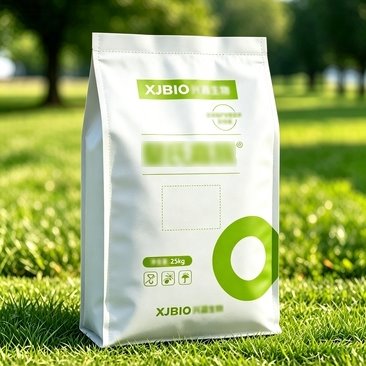
If you’re ready to design a custom pet food bag for hamsters or other small animals, get in touch with our team to discuss your specific needs and how we can help.
Livestock Feed Bags References
- American Pet Products Association. (2023). National Pet Owners Survey: Small Animal Ownership Trends.
- Journal of Animal Science. (2021). Digestive Health Considerations for Small Mammals (Hamsters, Gerbils, Guinea Pigs).
- Pet Food Packaging Association. (2022). Barrier Requirements for Small Animal Food Storage.
- Sustainable Packaging Coalition. (2023). Compostable Packaging Solutions for Pet Food Products.
Zhejiang Xifeng Packaging Co., Ltd.
We are one of the most experienced pet food bags manufacturers and suppliers in China. With a professional production team, we offer a wide range of products with superior quality. Please feel free to buy bulk pet food bags at competitive price from our factory. We also accept customized orders.
Address: Xiaojiang Town, Pingyang County, Wenzhou City, Zhejiang Province, China
E-mail: zjxifeng@126.com
WebSite: https://www.xifengpackaging.com/
