Hey there,
If you’re reading this, chances are you’ve got a stash of conductive gel lying around—maybe for your at-home TENS unit, a clinic’s ultrasound machine, or even a fabrication lab that uses it for electronics testing. And if you’re like most people I chat with, you’ve probably wondered: why does my old gel turn weird? Or why does the new batch I opened go runny or clumpy after a month? Conductive Gel

As someone who’s been in the conductive gel supplier game for almost a decade, I see this all the time. Folks buy great gel, put it in a random cupboard, and then wonder why it stops working as well. The truth is, conductive gel isn’t just a tube of goop—it’s a precise mix of water, thickeners, electrolytes, and sometimes preservatives, and messing up how you store it kills its conductivity, texture, and even shelf life. I’ve seen clients waste hundreds of dollars (and hours) because they didn’t know the basics of keeping their gel fresh. Today, I’m breaking down exactly how to store conductive gel like a pro—no fancy lab stuff, just real, usable tips I’ve picked up from answering 100s of customer questions and testing every bad storage mistake myself.
First, let’s get one thing straight: not all conductive gel is the same. The gel you use for a TENS unit is way different from the one for ultrasound or for testing flexible circuits. But the core storage rules apply to nearly all water-based conductive gels (and that’s 99% of the ones out there, even the “oil-free” or “silicone-free” ones you see on the market). Water is the secret sauce here—it’s what carries the electrical current, but it’s also what makes gel fragile. If water evaporates, the gel gets too thick and crumbly, and conductivity drops fast. If too much moisture gets in (wait, that’s a thing!), it gets runny, spreads too easily, and doesn’t stick where you need it. That’s why moisture control is the biggest piece of the puzzle.
Let’s start with the most obvious (and most messed up) storage spot: the kitchen counter. I know, I know—it’s convenient. You grab your TENS unit off the counter, squeeze out a dollop, and go. But your kitchen counter is a disaster zone for gel. It’s warm (thanks to the oven stovetop nearby), it’s humid if you’re cooking or washing dishes, and there’s sunlight streaming in most days. Sunlight and heat break down the gel’s thickeners and electrolytes faster than anything. I once had a clinic customer who kept their ultrasound gel on the counter by the exam room door—they went through a case in two weeks, but by the end, half the tubes were so thin the techs couldn’t get enough coverage for ultrasounds, and readings were garbage. They switched to storing in a closet and cut their gel waste by 40% in a month.
The next bad spot: the bathroom medicine cabinet. Yeah, I see you storing your TENS gel there too. Bathrooms are humid AF—every time you take a shower, steam fills the air, and that moisture seeps into the open tube or even the unopened packaging if it’s not sealed right. Humidity doesn’t just make gel runny; it can also cause mold or bacteria to grow in the preservative-free? Wait no, most commercial gel has preservatives, but even so, constant moisture breaks down the formula’s balance. Trust me, your bathroom cabinet is for band-aids and toothpaste, not conductive gel.
So what’s the good spot? Cool, dark, and dry. A closet shelf, a drawer in your office, a storage bin in the basement (as long as it’s not damp down there)—anywhere that’s between 15°C and 25°C (that’s 59°F to 77°F for my US folks) is perfect. If you live somewhere super hot, like Arizona or Florida, even a spot in your fridge works? Wait, hold up—don’t throw your gel in the fridge just yet. I get asked this all the time. Fridges are cold, but they’re also humid, right? The condensation from a fridge can get into the packaging and mess with the gel’s texture. Unless you live in a place where indoor temps regularly hit 30°C (86°F) or higher for months on end, storing gel in the fridge is overkill and can do more harm than good. I had a customer once who froze their gel to “extend shelf life” and ended up with a bunch of tiny ice crystals in the tube—when it thawed, the gel was lumpy and wouldn’t conduct at all. Don’t freeze it, either—another mistake I see way too often.
Next, packaging matters more than you think. A lot of people will squeeze out half a tube, cap it loosely, and toss it back in the drawer. That’s like leaving a soda can open—you’re letting all the good stuff (water, electrolytes) escape. Sealing the tube or container properly after every use is non-negotiable. I always tell my customers: twist that cap until you hear that little click, or if it’s a squeeze tube, press the opening tight so no air gets in. For larger containers—like the 5-gallon buckets many labs or clinics use—make sure the lid is sealed all the way, and if you scoop out gel instead of pouring, use a clean, dry tool every time. No sticking your fingers in there, no using a spoon that had soup on it. Contamination from dirt, oils, or other substances will make the gel go bad faster, and it can also mess with its conductivity. That’s a quick way to waste a whole big bucket, so don’t skip that step.
What about unopened packaging? If you’ve got a case of tubes sitting in your garage or back storage—don’t just leave them there. Even unopened, extreme temps or sunlight can ruin them. I once had a client who ordered 50 unopened tubes for a trade show, stored them in their car trunk for a week over summer, and when they opened them, half the tubes were rock solid. The heat had turned the gel into a block, and it was useless. Unopened gel should also go in that cool, dark spot I mentioned earlier. The shelf life on unopened gel is usually 1-2 years, but that’s only if it’s stored correctly. Leave it in a hot car trunk, and that shelf life gets cut in half, easy.
Another thing people forget: shelf life isn’t a one-size-fits-all number. If you store your gel right, you can get the full 18 months out of a tube. If you store it wrong, you might only get 3 months before it’s too thick, too runny, or not conductive enough. How do you tell if your gel has gone bad? I’ve got a quick checklist I give all my customers: first, check the texture. If it’s lumpy, has chunks, or separates into goop and water when you stir it, that’s a no-go. Next, smell it. Conductive gel should be almost odorless—if it has a sour, moldy, or off smell, it’s gone bad. And finally, test a little bit if you’re not sure. If you’re using it for TENS, try it on your arm—if you feel a weak or uneven tingle, that means the conductivity is down, and the gel is toast. I’ve had customers use “bad” gel for ultrasound and get blurry scans because the conductivity was off, so don’t skip testing if you’re unsure.
Wait, what about specific use cases? I know some of you use conductive gel for things like electrocardiograms (ECGs), or for making DIY electronics, or even for at-home facial microcurrent tools. Let’s cover those quick. For at-home use—TENS, microcurrent, whatever—you’re probably storing small tubes. Keep them in a bathroom cabinet is bad, so stick to a medicine cabinet is a no-go, but a drawer in your bathroom vanity that’s away from the shower? Wait no, better to keep it in your bedroom closet, or your nightstand drawer. I have a tiny tube for my own microcurrent tool, and I keep it in my desk drawer—easy to grab when I use it, and it’s stayed fresh for 8 months now. For clinics or labs that use larger containers, I recommend labeling the containers with the date you opened them, so you know when to toss it. It’s easy to lose track of a big bucket you opened 6 months ago, and by then it’s probably gone bad.
And here’s a pro tip I only share with regulars—don’t transfer your gel to random containers. I see this all the time: someone buys a big tub from Costco or a lab supplier, and pours half into an old lotion bottle, or a jar that had jam in it. No matter how well you wash that jar, there’s residue, and that residue can mix with the gel and mess with its formula. Stick to the original packaging, or use food-grade, clean, airtight containers if you really need to transfer it. Even then, write the name and date on it so you don’t mix it up with jam or something.
Let’s recap the don’ts because I see these the most:
❌ Don’t store in the kitchen counter, bathroom, or any spot with direct sunlight or heat.
❌ Don’t leave tubes open—seal them tight after every use.
❌ Don’t freeze conductive gel, and don’t keep it in the fridge unless you live in a super hot climate with no AC.
❌ Don’t contaminate gel with dirty tools or fingers.
❌ Don’t leave unopened containers in hot places like car trunks or garages.
The dos?
✅ Store in a cool, dark, dry spot (15-25°C / 59-77°F).
✅ Seal all packaging (tubes, buckets, jars) properly after each use.
✅ Use clean, dry tools to scoop gel from larger containers.
✅ Check texture, smell, and conductivity before using old gel.
✅ Label opened containers with the date to track shelf life.
At the end of the day, conductive gel is a product that works best when its formula stays balanced. I started in this business because I saw how many people’s experiences with TENS, ultrasounds, and other devices were ruined by cheap or improperly stored gel. When I ship gel to customers, I always add a little note with these storage tips—9 times out of 10, they reply a month later saying they cut their waste in half. It’s not rocket science, but it’s the difference between a tube of gel that works for 6 months and one that works for 18 months.
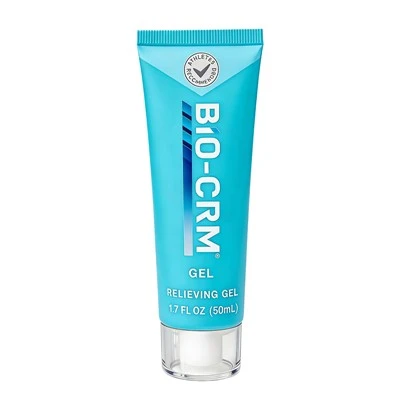
If you’re running low on conductive gel, or you’re tired of wasting money on gel that goes bad too fast, we’ve got you covered. We stock a range of conductive gels for every use case—TENS units, ultrasounds, ECGs, electronics testing, even microcurrent tools—and all of them are formulated to stay stable when stored right. If you’ve got questions about which gel is best for your needs, or you want to bulk order for your clinic, lab, or business, hit us up to chat. We’re always here to help, no pushy sales stuff—just real advice from people who actually use this stuff every day.
Sexsual Wellness References
- Food and Drug Administration (FDA). (2021). Storage Guidelines for Topical Medical Gels and Creams.
- International Society for Clinical Electrophysiology (ISCE). (2019). Best Practices for Ultrasound Gel Storage and Handling.
- Journal of Medical Engineering & Technology. (2020). Stability Evaluation of Water-Based Conductive Gels for Electrotherapy Applications.
- Conductive Gel Manufacturers Association (CGMA). (2022). Standard Storage Protocols for Commercial Conductive Gel Products.
Jiaxing Bozheng Biotechnology Co., Ltd.
We are one of the most professional conductive gel manufacturers and suppliers in China. With a professional production team, we are able to meet the needs of the majority of our customers. Welcome to wholesale custom made conductive gel from our factory.
Address: Building A, Headquarters Campus, No. 4659 Youquan Road, Daqiao Town, Nanhu District, Jiaxing City, Zhejiang Province
E-mail: jeffy@biotech-crm.com
WebSite: https://www.bodygeltech.com/
