Hey there! I’m a supplier of Horizontal Machining Centers, and today I wanna chat about the function of the rotary table in a horizontal machining center. It’s a pretty important part of the whole setup, and understanding its functions can really help you get the most out of your machining operations. Horizontal Machining Centers
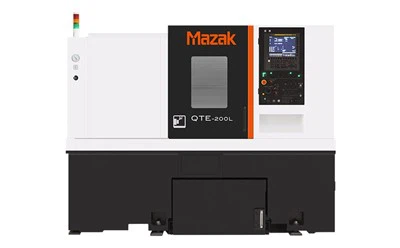
First off, let’s talk about what a rotary table is. In a horizontal machining center, the rotary table is a circular platform that can rotate around a central axis. It’s usually driven by a motor and can be programmed to move to specific angles or positions. This allows for a wide range of machining operations that wouldn’t be possible with a fixed table.
One of the main functions of the rotary table is to enable multi – sided machining. In a horizontal machining center, the spindle is oriented horizontally. With a fixed table, you can only machine one side of a workpiece at a time. But with a rotary table, you can rotate the workpiece to different angles, allowing you to machine multiple sides without having to re – clamp the workpiece. This not only saves time but also improves the accuracy of the machining. For example, if you’re making a complex part with multiple faces that need to be machined, you can set up the rotary table to rotate the workpiece to the correct position for each machining operation. This means you can complete the entire part in one setup, reducing the chances of errors that can occur when re – clamping the workpiece.
Another important function of the rotary table is to perform contour machining. Contour machining involves cutting a curved or irregular shape on a workpiece. The rotary table can be programmed to rotate at a specific speed while the cutting tool moves along the workpiece. This allows for the creation of complex shapes that would be difficult or impossible to achieve with a fixed table. For instance, if you’re making a part with a circular or oval shape, the rotary table can rotate the workpiece while the cutting tool follows the contour of the shape, creating a smooth and accurate cut.
The rotary table also plays a crucial role in indexing. Indexing is the process of rotating the workpiece to a specific angle and then locking it in place for machining. This is useful when you need to machine multiple features at specific intervals around the circumference of a workpiece. For example, if you’re making a gear, you can use the rotary table to index the gear blank to the correct angle for each tooth to be cut. The rotary table can be programmed to move to the exact angle required for each tooth, ensuring that the gear is cut accurately.
In addition to these functions, the rotary table can also be used for angular machining. This means machining at an angle other than 90 degrees. By rotating the workpiece on the rotary table, you can machine angled surfaces on the workpiece. This is useful in many applications, such as machining beveled edges or angled holes. For example, if you’re making a part that needs to fit into an angled slot, you can use the rotary table to machine the angled surface on the part.
Now, let’s talk about how the rotary table can improve the efficiency and productivity of your machining operations. As I mentioned earlier, the ability to machine multiple sides of a workpiece in one setup saves a lot of time. It also reduces the need for manual handling of the workpiece, which can lead to errors and damage. With a rotary table, you can set up the machining process once and let the machine do the rest. This means you can produce more parts in less time, increasing your overall productivity.
The accuracy of the rotary table is also a major advantage. Modern rotary tables are designed to be highly precise, with very small angular errors. This means that you can achieve very accurate machining results, which is crucial in many industries. For example, in the aerospace and automotive industries, parts need to be machined to very tight tolerances. The rotary table can help you meet these requirements, ensuring that your parts are of high quality.
If you’re in the market for a horizontal machining center, the rotary table is definitely something you should consider. It can add a lot of functionality to your machine and help you take on more complex machining jobs. Whether you’re a small – scale manufacturer or a large – scale production facility, the rotary table can make a big difference in your machining operations.
So, if you’re interested in learning more about how a rotary table can benefit your business, or if you’re thinking about purchasing a horizontal machining center with a rotary table, don’t hesitate to get in touch. We’re here to answer any questions you might have and help you find the right solution for your needs. Whether you’re just starting out or looking to upgrade your existing equipment, we can provide you with the information and support you need.
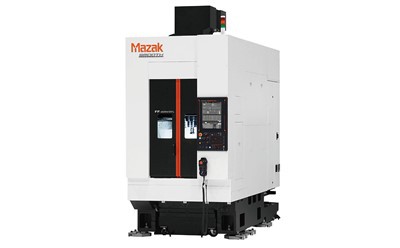
In conclusion, the rotary table in a horizontal machining center is a powerful tool that offers a wide range of functions. From multi – sided machining to contour machining and indexing, it can greatly enhance the capabilities of your machining operations. So, if you’re looking to improve your productivity and accuracy, consider investing in a horizontal machining center with a rotary table.
Measuring Machine References:
- "Machining Handbook" by Industrial Press
- "Horizontal Machining Center Technology" by various industry publications
Hermens Industrial Co., Ltd.
As one of the most professional horizontal machining centers enterprises in China, we’re featured by quality products and low price. Please rest assured to buy cheap horizontal machining centers in stock here and get quotation from our factory. We also accept customized orders.
Address: 9/59 Moo 14, Rachathewa , Bang Phli , Samut Prakan Province 10540
E-mail: liu_jincheng@hzhemen.com
WebSite: https://www.hermensindustrial.com/
